The short answer
A Russian manicure is a dry technique, performed without soaking the hands, that uses an electric file to clean the cuticle area right up to the natural skin fold. Because the nail plate is cleared closer to its base, colour can be applied nearer the cuticle, so regrowth takes longer to become visible. Downtown Dubai prices it from AED 155 without polish.
It is also one of the most demanding manicure techniques to perform correctly.
What is a Russian manicure?
The technique is sometimes called a dry manicure, an e-file manicure, or a combined manicure. All three names point at the same two defining features.
The first is that it is dry. There is no soaking bowl. Water softens and swells the skin around the nail, which makes it harder to see exactly where the living tissue ends, so the technique removes that step entirely.
The second is the electric file. Instead of softening the cuticle with remover and trimming it with nippers, the technician uses a rotating bit to lift the eponychium, the fold of skin at the base of the nail, and clear away the pterygium, the thin layer of dead tissue that grows onto the nail plate itself.
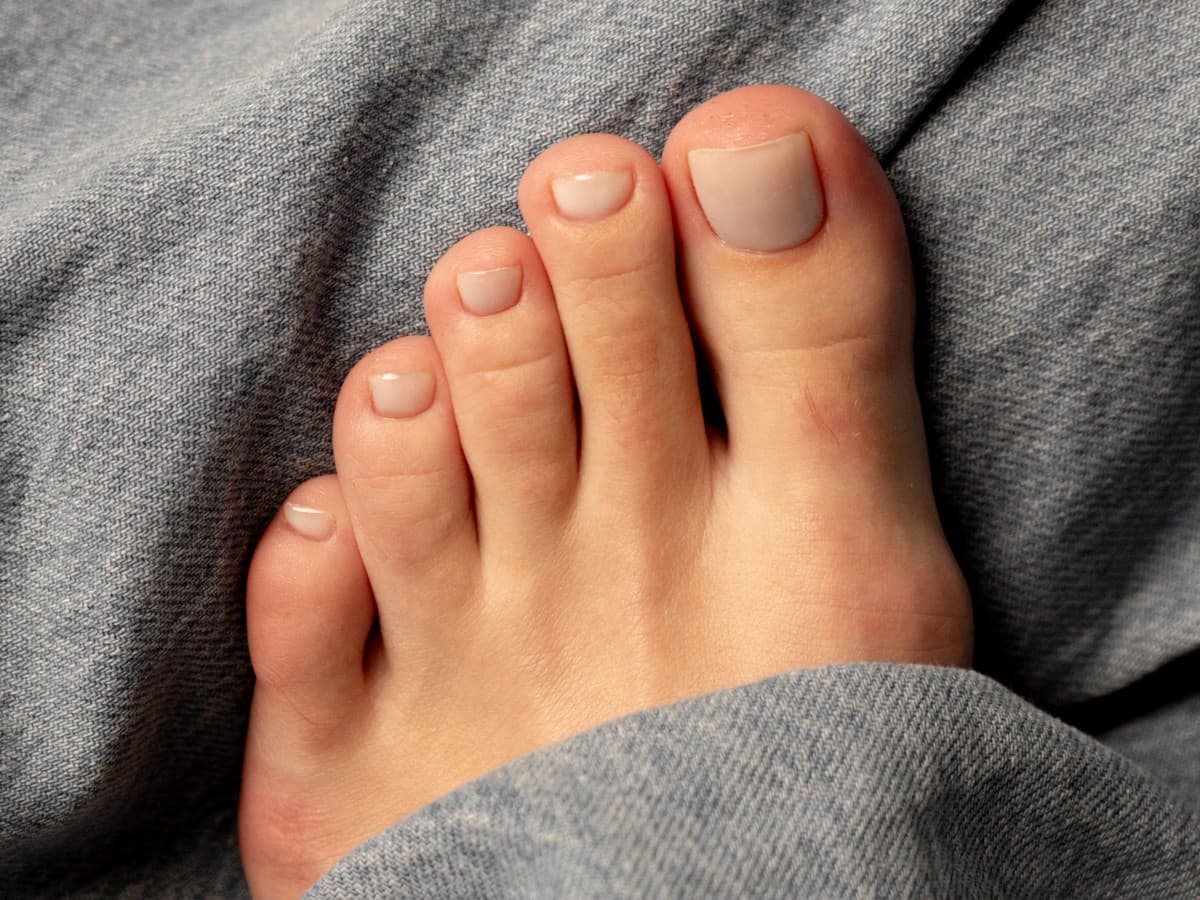
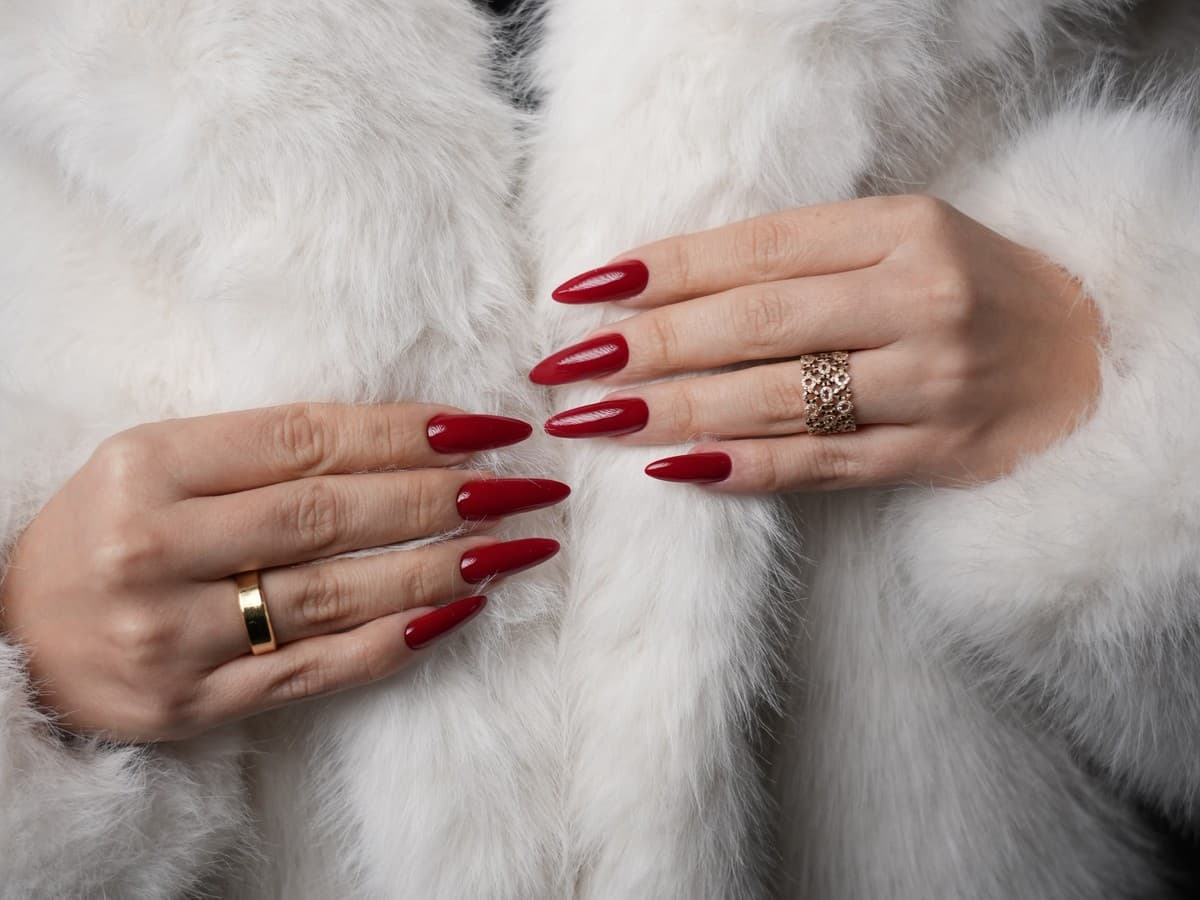
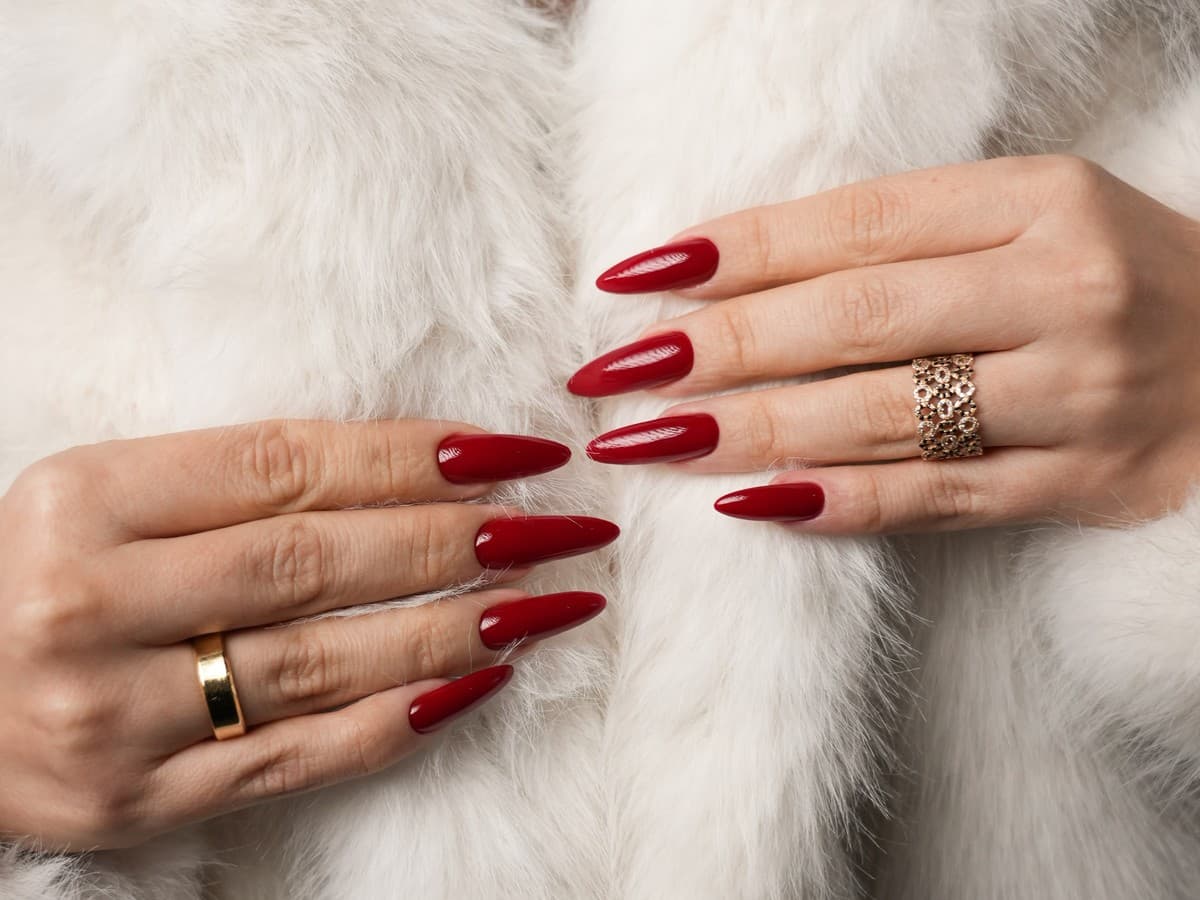
That second part is the whole point. On most nails there is a small band of this dead tissue sitting on the plate that a classic manicure leaves behind. Removing it exposes slightly more of the usable nail surface, which is why the finished nail often looks longer and cleaner than the same nail after a classic treatment.
How is it different from a classic manicure?
A classic or European manicure usually begins with a soak, softens the cuticle chemically, pushes it back, and trims the loose edge with nippers. Colour is then applied with a small visible margin between the product and the skin.
A Russian manicure skips the soak, uses rotating bits instead of nippers for most of the work, and clears the plate right into the fold. Colour goes on closer to the base.
The practical result shows up two or three weeks later. With a visible margin at the cuticle, a few days of growth reads immediately as a gap. With colour sitting closer to the base, the same growth is far less obvious. Nothing about the product itself lasts longer. What changes is how quickly the regrowth becomes something you notice.
Does a Russian manicure last longer?
Not in the way the phrase suggests, and this is worth being precise about.
Gel polish adheres for the same length of time either way. What extends is the period before the manicure looks like it needs redoing, because there is no early gap at the cuticle line to give it away. Many clients find they can go three to four weeks rather than two before the grow-out bothers them.
Wear still depends on the things it always depends on: how you use your hands, whether you wear gloves for cleaning, how much the nails are exposed to water and detergent, and the condition of the natural nail underneath.
Is a Russian manicure safe?
It is safe when performed by someone properly trained, and it carries real risks when it is not. That is a more honest answer than the technique usually gets, so it is worth setting out what those risks actually are.
The file works within a millimetre or two of living tissue. Applied with too much pressure, or with the wrong bit, or at the wrong angle, it can thin the nail plate, leaving nails that feel weak and bendy for months while they grow out. Working too aggressively into the fold can cut the skin, and because the eponychium is a seal that protects the nail matrix, damaging it repeatedly can affect how the nail grows.
Tool hygiene matters more here than in a classic manicure, because any break in the skin is a route for infection. Bits should be sterilised in an autoclave between clients, not simply wiped.
Signs it was done well: no soreness afterwards, no bleeding at any point, no white or dusty appearance to the nail plate, and a cuticle area that looks clean rather than raw or red. If your nails hurt the following day, that was not a good manicure regardless of how it looked.
Who is it not right for?
The technique is not the right choice for everyone.
If you have very thin or damaged nails already, filing close to the base can make matters worse before it makes them better, and a gentler approach while the nails recover is usually the better call. If you have an active infection, broken skin, or inflammation around the nail, the work should wait. Certain conditions affecting circulation or healing, and some medications, make skin more fragile and easier to injure.
A good technician will look at your hands and tell you if the answer today is no. That is a mark of competence, not an inconvenience.
The same principle runs across the rest of the menu, and it is drawn most clearly around lymphatic drainage massage, where the line between a salon treatment and a medical one matters.
What does a Russian manicure cost in Dubai?
Only Downtown Dubai uses the words Russian manicure on its list, where it is AED 155 with no polish, AED 235 with regular polish, and AED 275 with gel polish. Extensions and refills are priced separately again, in their own section on all three lists, and are covered in the nail extensions post.
The other two branches list the same electric-file technique under different names. Palm Jumeirah prices an Apparat Manicure across master tiers at AED 155, AED 185 and AED 200, and a File Manicure at AED 200 or AED 240. Dubai Marina lists a file manicure at AED 200 and an apparatus manicure at AED 240.
Ask for the technique rather than the label if you are booking anywhere other than Downtown Dubai, because the same words do not appear on all three lists.
Where to have it done in Dubai
Russian manicure is offered at all three UNIQUE PERSONA salons. Full pricing across master tiers is listed on each branch page: Dubai Marina, Palm Jumeirah and Downtown Dubai.
You can see the wider treatment list on the nail services page.
Frequently asked questions
How long does a Russian manicure take?
Longer than a classic manicure, because the cuticle work is slower and more precise. Expect the appointment to run beyond a standard manicure slot, particularly on a first visit.
Does it hurt?
It should not. A correctly performed Russian manicure is painless. Discomfort during the appointment, or soreness afterwards, means the technician has worked too close or too hard.
Can I have it if my nails are weak?
Often yes, but tell the technician before they start. Weak nails need lighter work and sometimes a different plan altogether. Ask rather than assume.
How often should I have one?
Most people return every three to four weeks. That interval is driven by how fast your nails grow rather than by the technique itself.
Is it the same as a gel manicure?
No. Russian manicure describes how the cuticle and nail plate are prepared. Gel polish is what goes on afterwards. You can have a Russian manicure with regular polish, gel polish, or no colour at all.
In short
A Russian manicure is a preparation technique, not a product. It clears the nail plate closer to its base than a classic manicure does, which makes regrowth less visible and the finished nail look cleaner. Done by a trained technician with properly sterilised tools it is safe and precise. Done badly it thins nails and damages the skin that protects them.
That is the whole case for choosing where you have it done rather than choosing on price.